The Golden Window: Ages 2.5 to 9
Most traditional orthodontics wait until age 12. We intervene early to guide facial growth, expand the airway, and correct habits before they become permanent structural issues.
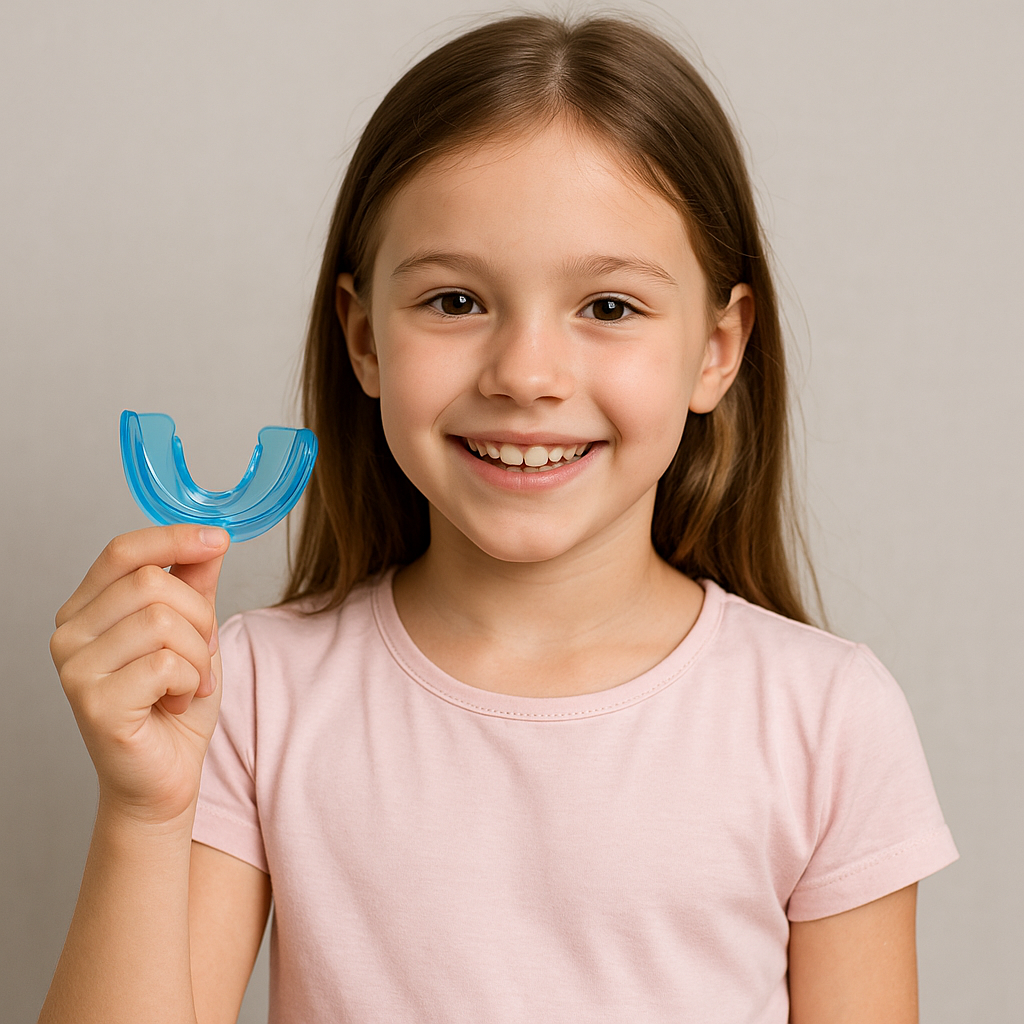

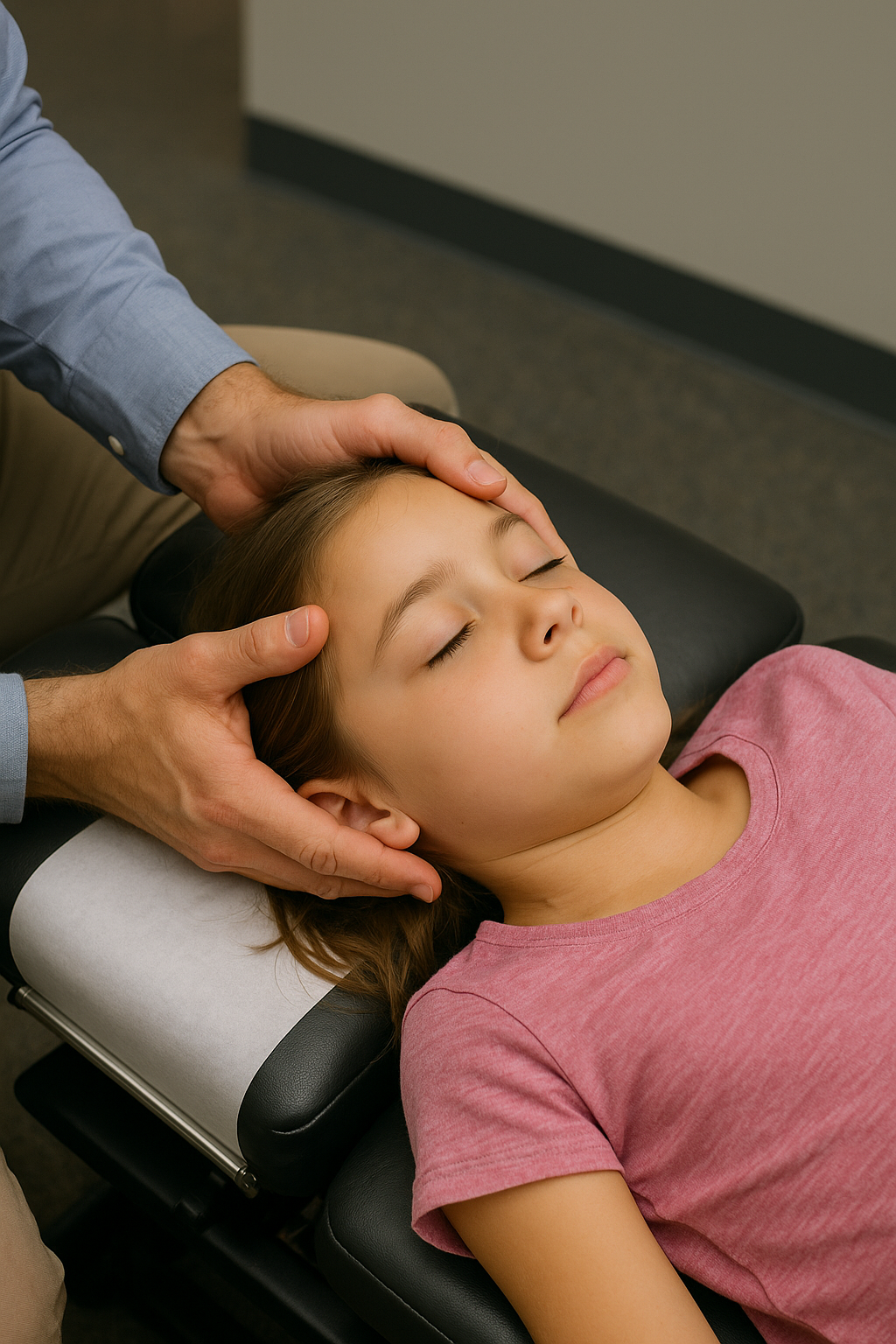
Holistic Airway-Centric Functional Orthodontics & Collaborative Care in Sun Prairie, WI.
Most traditional orthodontics wait until age 12. We intervene early to guide facial growth, expand the airway, and correct habits before they become permanent structural issues.

Board-Certified Orthodontist
A specialist in Craniofacial Orthopedics, Dr. Mark focuses on the structural "housing" of the airway, ensuring children grow wide, healthy smiles from the foundation up.

Myofunctional Therapist
The "Yoga Teacher for the Face," Shirley retrains tongue posture and breathing habits to stabilize orthodontic results and improve systemic health.

Cranial & Postural Specialist
Dr. Shalom ensures the nervous system and cranio-skeletal structure are in alignment, as well posture, addressing the "whole body" connection to oral health.
Aligning the Smile, Balancing the Body
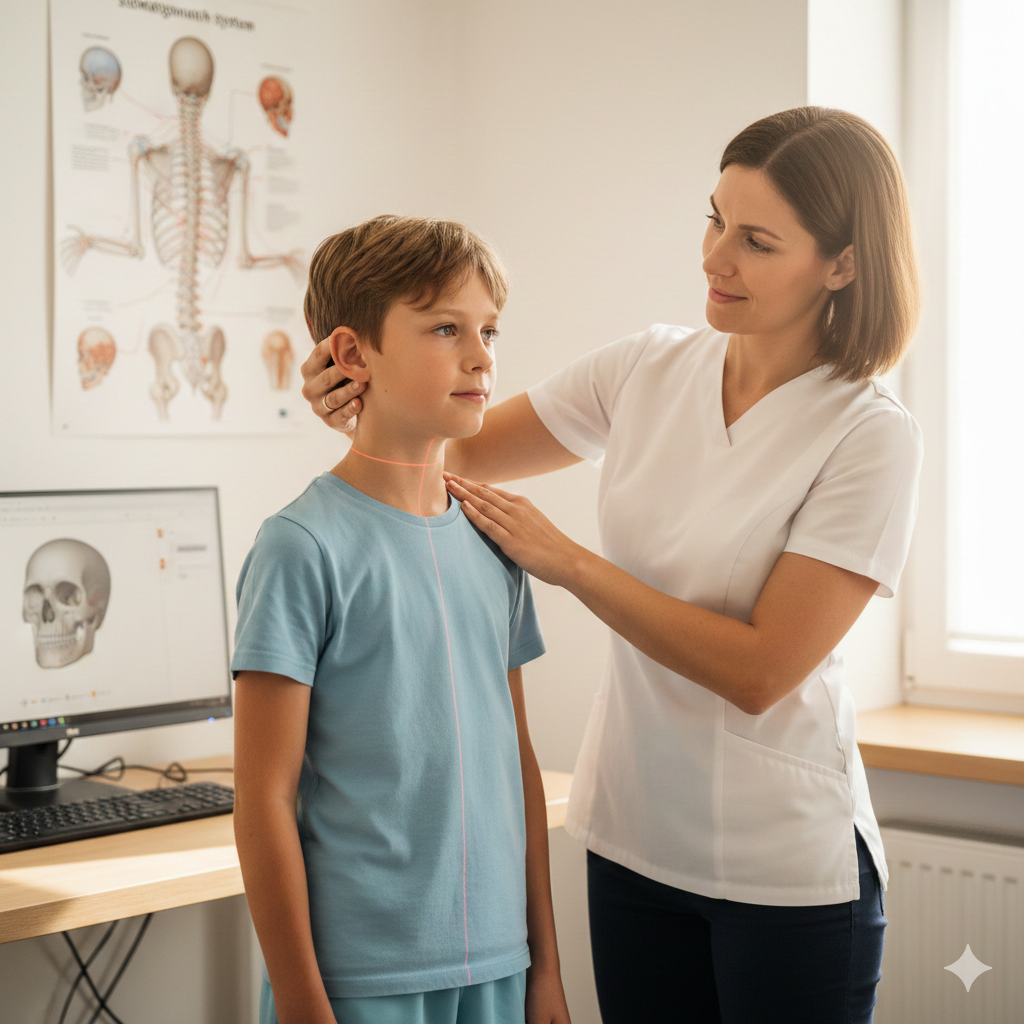
The human body is an interconnected chain. Orthodontics does more than just straighten teeth; it alters the stomatognathic system—the functional unit of structures involved in chewing, swallowing, and speaking.
Straight teeth require more than just braces; they require a balanced muscular environment. Orofacial Myofunctional Therapy (OMT) focuses on the "posture" of the mouth.
The tongue is a powerful muscle. When resting correctly against the palate (the roof of the mouth), it acts as a natural retainer, maintaining the width of the upper jaw. Incorrect tongue posture—such as tongue thrusting or low resting position—can lead to:
| Benefit | Description |
|---|---|
| Reduced TMJ Pain | Eases tension in the temporomandibular joint. |
| Better Breathing | Improved airway volume and reduced snoring. |
| Long-term Retention | Reduces the likelihood of teeth shifting back. |
If you noticed any of these signs, your child may be struggling with an underdeveloped airway or sleep-disordered breathing. Early intervention can guide their growth, improve their sleep, and positively change their long-term health.
Book a Free Screening (Ages 2.5–9)If you notice any of the following, your child may benefit from a functional screening:
Even “cute” or quiet snoring is not normal in children and often signals airway resistance or obstruction.
Grinding is often the body’s attempt to move the jaw forward to open a collapsed airway during sleep.
Frequent tossing, turning, or waking up with tangled sheets may indicate disrupted sleep due to breathing interruptions.
Persistent bedwetting beyond the typical age can be linked to deep sleep deprivation and breathing disturbances.
Lips remain open while watching TV, reading, or resting. Chronic mouth breathing can alter facial growth and oral health.
“Allergic shiners” or venous pooling under the eyes can result from poor nasal breathing or lack of restorative sleep.
Children who avoid foods that require significant chewing may struggle to breathe and chew at the same time, indicating airway compromise.
Pushing the head forward is a compensatory mechanism to open a narrow airway.
Poor sleep in children often mimics symptoms of ADHD. Sleep deprivation may present as hyperactivity, impulsivity, or trouble focusing.
Many parents do not associate symptoms like bedwetting, hyperactivity, or picky eating with airway or dental health. By translating clinical signs into parent-friendly language and explaining the “why” behind each symptom, we validate parental concerns and encourage proactive care.
When clinical signs (such as scalloped tongue, enlarged tonsils, or venous pooling) align with items on this checklist, there is strong subjective evidence of an airway issue — even before objective sleep testing. This approach aligns with airway-focused orthodontic best practices.
Children with sleep-disordered breathing are at increased risk for behavioral issues, difficulty concentrating, and academic struggles. Unlike adults, sleep deprivation in children often appears as hyperactivity rather than sleepiness.
Chronic mouth breathing, forward head posture, and restricted nasal airflow can alter craniofacial development, potentially leading to long-term dental and skeletal concerns. Early identification and intervention can prevent or significantly reduce these effects.
Free screenings for children ages 2.5 to 9 years old.
Address: 1266 W Main Street, Suite 2, Sun Prairie WI 53590
Phone: (855) 466-5741
Email: info@kaleidoscope-collaborative.com